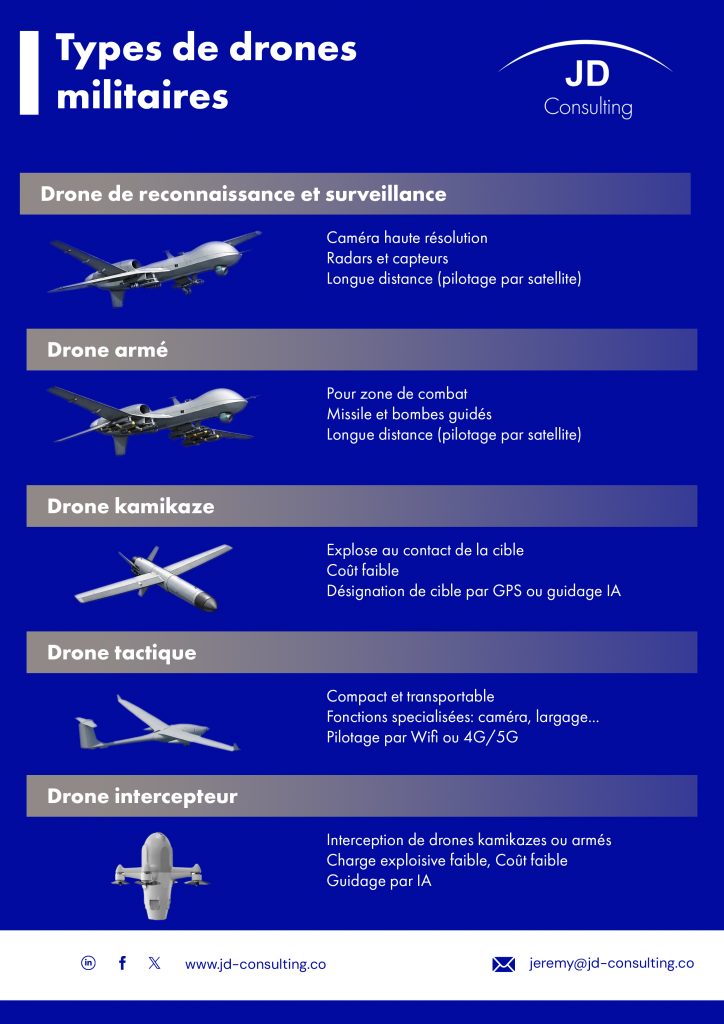
In recent years, the rapid proliferation of unmanned aerial systems (UAV) has fundamentally transformed modern conflict. While drones were initially developed for reconnaissance and precision strikes, their widespread use—ranging from small commercial quadcopters to advanced military platforms—has created new challenges on the battlefield. One of the most pressing is the need to detect, track, and neutralize hostile drones in real time.
This evolving threat has led to the emergence of a new category of systems: interceptor drones. Designed specifically to counter aerial threats, these drones combine speed, autonomy, and precision to engage and disable enemy UAVs before they can complete their mission. Unlike traditional air defense systems, interceptor drones offer a flexible, cost-effective, and scalable response to the growing use of low-cost aerial threats.
Interceptor drones are rapidly becoming a key component of modern air defense strategies. This article explores the different types of interceptor drones, their technologies, and the roles they play in today’s increasingly contested airspace.
France
- Alta Ares
- Harmattan AI (Gobi)
- Egide (Arges)
- ALM Meca (Fury)
Lettonie
- Origin Robotics (Blaze)
- DefSecIntel
Ukraine
- WIY (STRILA)
- Wild Hornets (Sting)
- TAF (Octopus-100)
- Tenebris (Bagnet)
- Vinnytsky Bdzholy (VB140 Flamingo)
Allemagne
- TYTAN (Metis)
Sweden
- Nordic Air Defence (Kreuger100)
Israel
- Iron beam