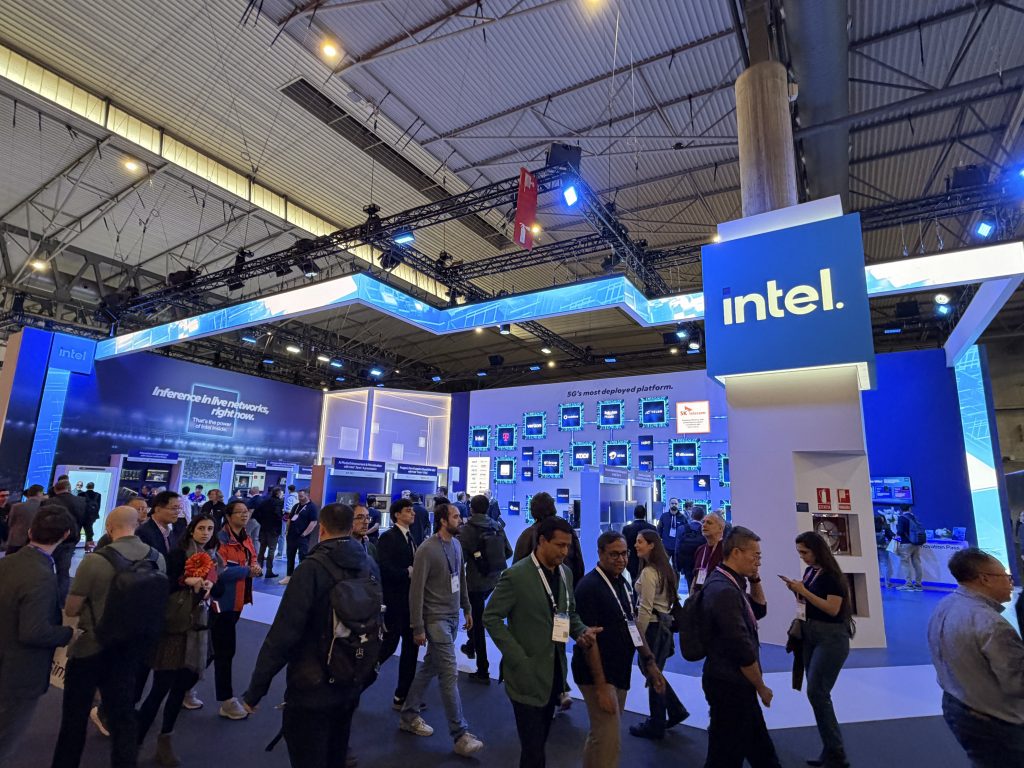
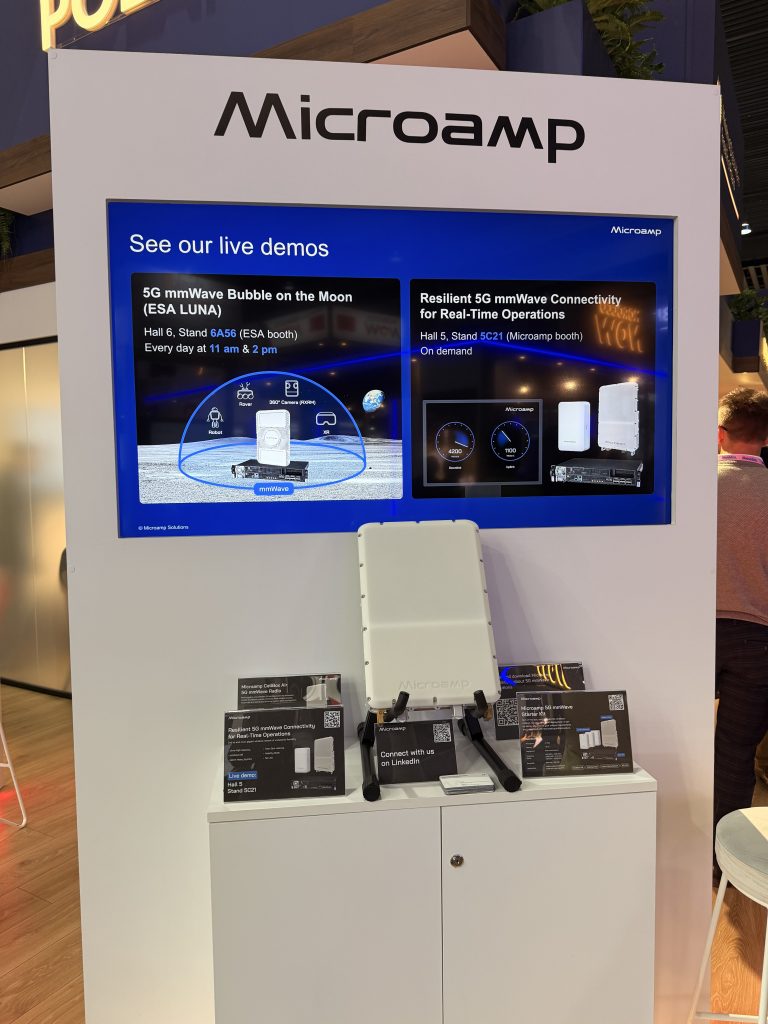
Mobile World Congress once again confirmed its role as the global meeting point for the mobile industry. With 105,000 visitors attending this year, the event demonstrated the continued strength and stability of the sector.
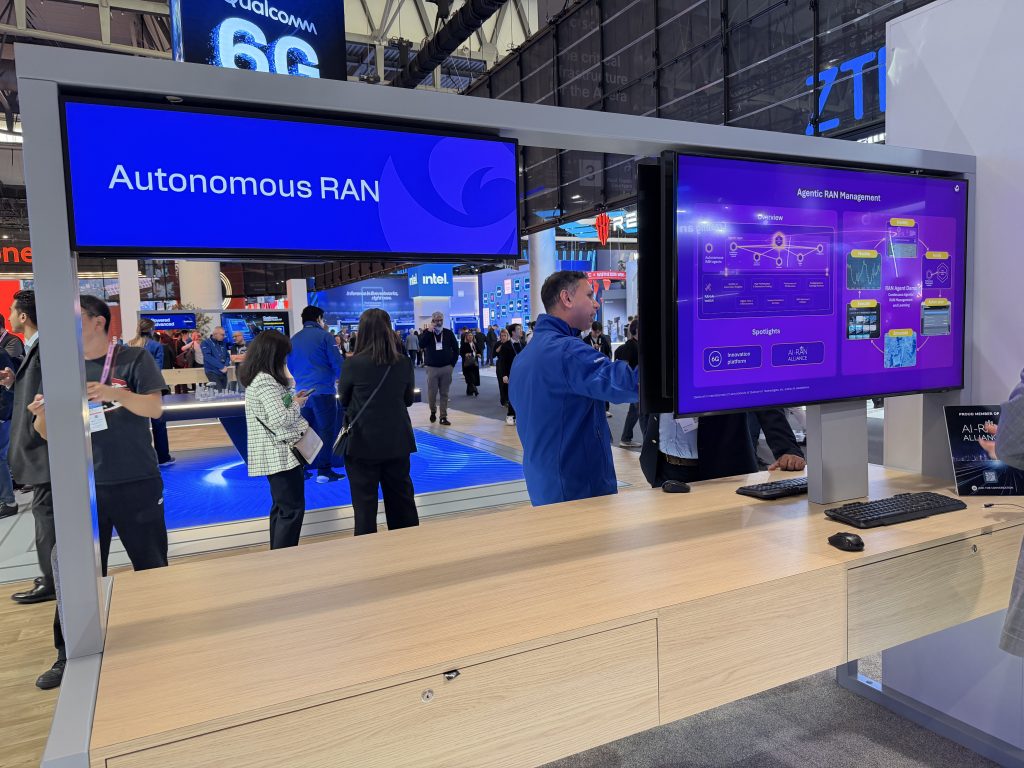
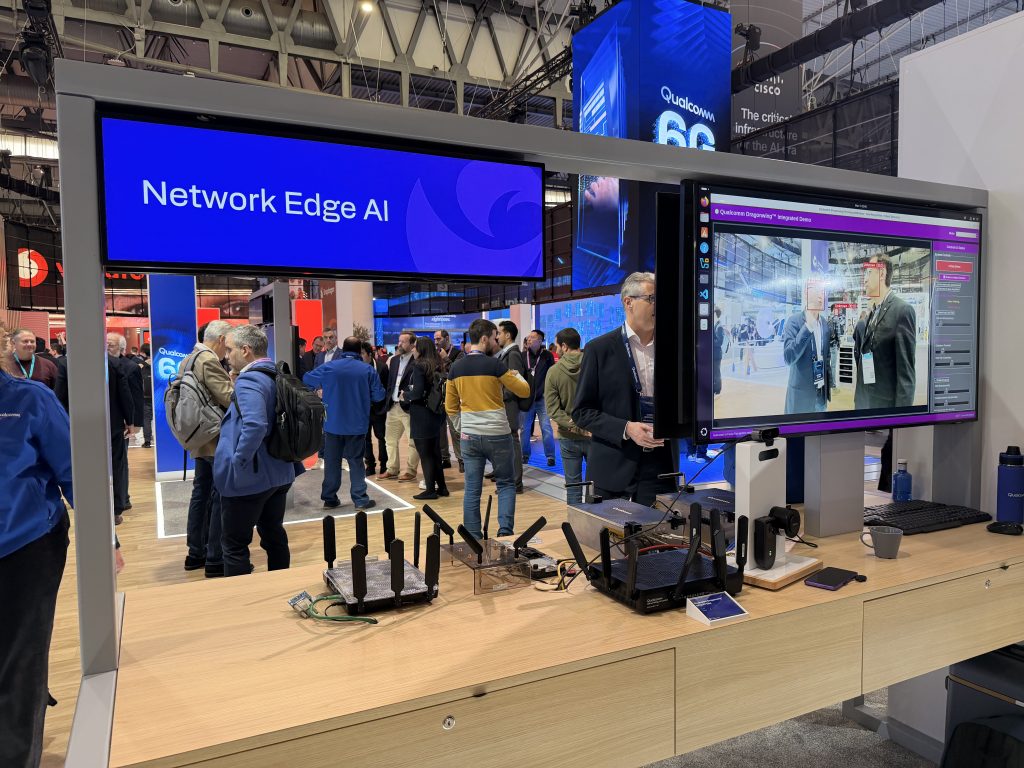
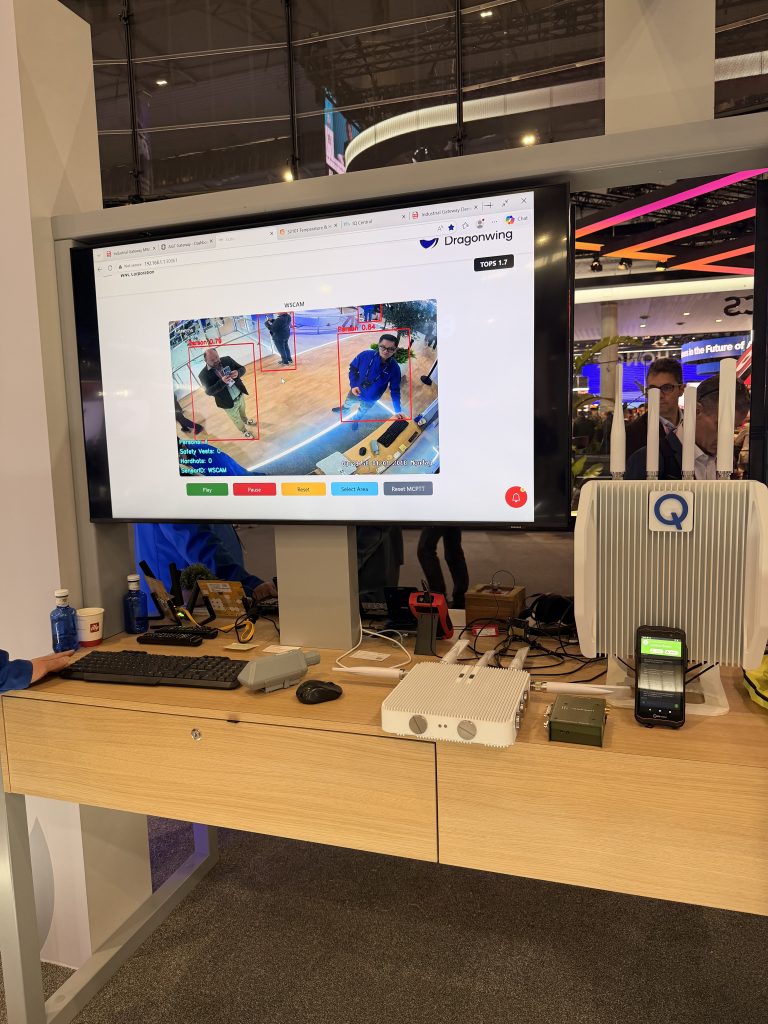
As expected, Artificial Intelligence dominated conversations across the show floor. Concepts such as AI-RAN and Agentic AI attracted strong interest, with major players like Qualcomm and Nvidia highlighting their initiatives in this space. Although still some years away, discussions already suggest that future 3GPP standards may be designed with AI at their core. While 5G was primarily built to deliver higher throughput, lower latency, and support for massive device connectivity, the next generation of mobile standards could shift the focus away from the pure race for speed toward more intelligent and optimized networks.
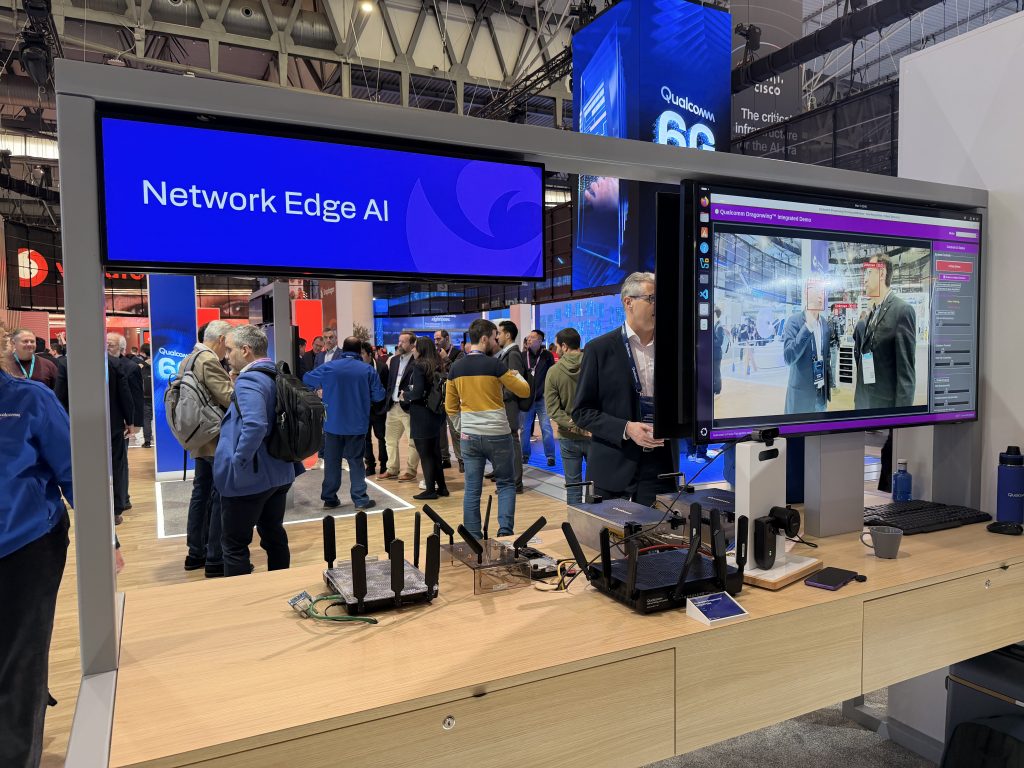
Another noticeable trend was the industry’s growing effort to reduce dependency on Nvidia hardware. Many companies are exploring alternative architectures and solutions. At the same time, mobile operators are investing heavily in AI, both as a tool to optimize network performance and as a potential new source of revenue through AI-driven services.
The private network ecosystem also showed continued growth, echoed by GSMA director calling to build Standalone network. The number of vendors in this space is increasing, even though some consolidation is underway. Many industry observers are now closely watching the outcome of Nokia’s decision to exit the private wireless market, which could reshape the competitive landscape.
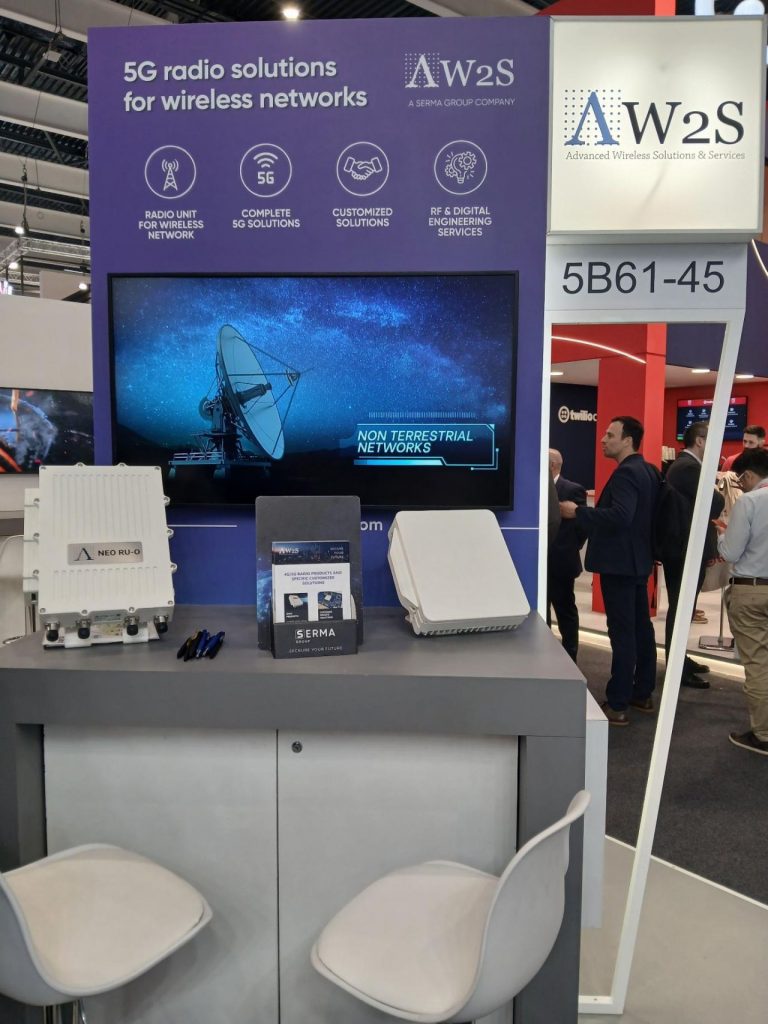
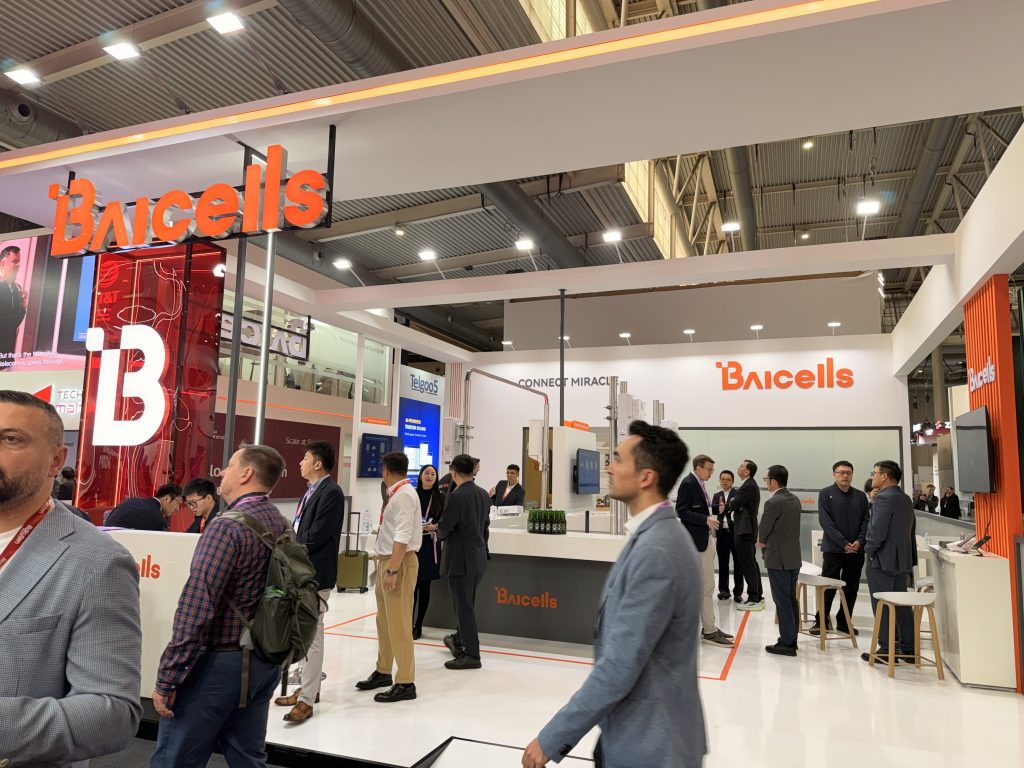
Private 5G solutions are becoming more mature, with several vendors focusing on expanding spectrum availability. Companies such as AW2S, Askey, and Baicells are releasing solutions supporting additional frequency bands. A widely discussed topic during the event was the harmonization of spectrum across Europe, which would significantly simplify deployments and improve long-term sustainability.
Mission-critical communications are also becoming a strategic priority for private network vendors. Companies including Katela Networks and Airspan are investing in technologies designed for highly reliable and secure connectivity in sectors such as public safety, industry and robotic.

Another interesting development is the growing interest in Network APIs, enabling software services to run directly over 5G networks, such as advanced geolocation capabilities. These APIs allow developers and enterprises to access certain network functionalities in a standardized way. For mobile operators, Network APIs are increasingly seen as a new opportunity to monetize their infrastructure, opening the door to innovative services built on top of network capabilities.
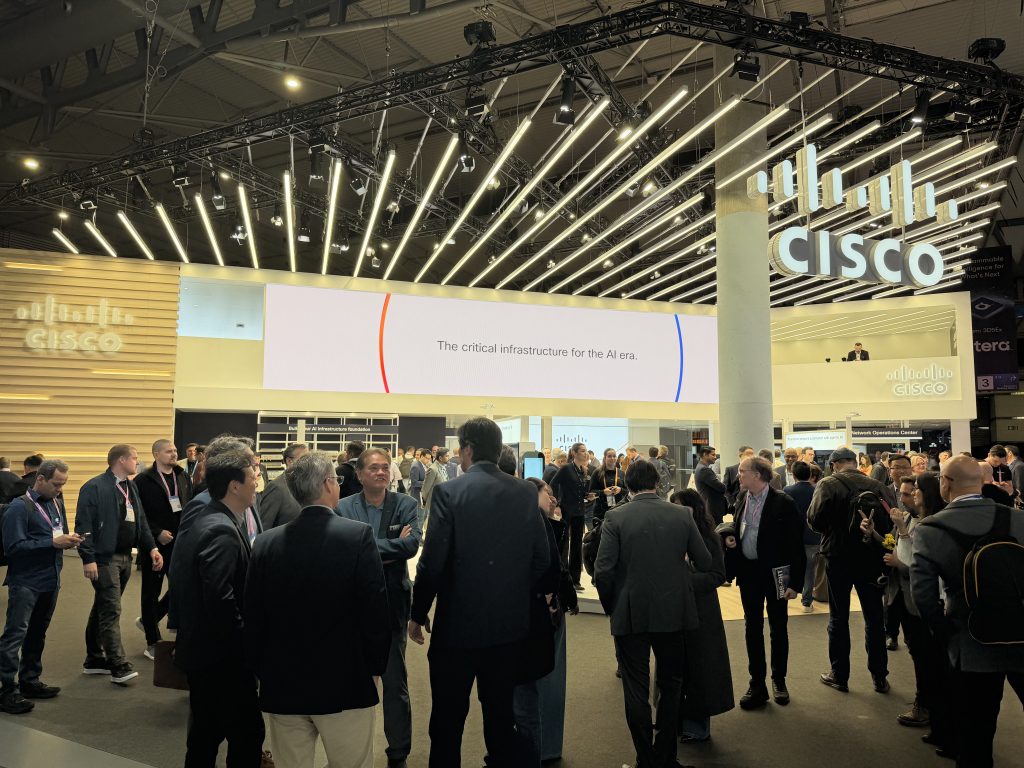
The Defense sector was more visible than in previous years, reflecting the current geopolitical context. Cisco, for example, dedicated part of its booth to defense applications, signaling that this market could become an important growth area for telecom technologies. Several traditional defense companies were also present, showcasing technologies such as drones. Recent conflicts have demonstrated that countering a 40k€ drone with a 2M€ missile is not economically sustainable, reinforcing the need for cost-efficient and secure communication systems. As a result, secure civil technologies—particularly mobile networks—are increasingly seen as viable building blocks for military communications.

Finally, quantum computing attracted attention from major technology players such as Fujitsu and IBM. Their solutions rely on processors cooled with ultra-low temperature gases, enabling extremely powerful computation capabilities that could significantly impact cloud computing and data centers. However, the technology also raises new challenges. The recent rise in memory prices, combined with Micron’s exit from parts of the consumer memory market, highlights potential supply concerns. Moreover, the computing power of quantum systems could threaten current encryption methods, making quantum-resistant cryptography a critical topic for the future. Increasing encryption strength—moving from today’s standards 256 bits—may become necessary to maintain secure communications.

Some companies are also taking the opposite approach to the trendy monthly licensing model, proposing solutions based on full ownership rather than recurring subscriptions. This model appeals to organizations that prefer greater control over their infrastructure, predictable long-term costs, and independence from ongoing vendor licensing fees.

JD Consulting is an independent consulting firm with 8 years of experience supporting companies in the telecom industry, building on the 22 years of experience of its founder in the telecom sector. We help organizations navigate the telecom ecosystem, develop business opportunities, and position their solutions within the rapidly evolving mobile and private network markets.
If you would like to explore potential collaborations or discuss industry opportunities, feel free to schedule a meeting:
Book a meeting: https://calendly.com/jeremy-jd-consulting/30min